


How Often Should You Bathe Your Dog?
How often should you bathe your dog? It’s one of the most common questions pet owners ask — and the answer isn’t one-size-fits-all. The right bathing frequency depends on your dog’s breed, coat type, skin condition, and lifestyle. Bathe too often and you strip natural oils, causing dry, itchy skin. Bathe too infrequently and you risk odor, matting, and skin issues.
This guide breaks down exactly how often dogs need baths, what factors affect the schedule, and how to make every bath count for your dog’s long-term skin and coat health.
How Often Should You Bathe Your Dog? The General Rule
Most healthy dogs with no skin conditions do well with a bath every four to six weeks. This interval keeps the coat clean without disrupting the skin’s natural oil balance. However, this is a starting point — not a rule. Your dog’s individual needs may call for more or less frequent bathing.
A good way to gauge it: if your dog smells, looks dull, or feels greasy, it’s time for a bath. If their skin looks flaky or irritated after a bath, you may be bathing too often.
Bathing Frequency by Coat Type
Your dog’s coat is the biggest factor in how often they need a bath. Here’s a quick breakdown:
Short-haired, smooth coats (Beagles, Bulldogs, Boxers)
Every 6–8 weeks. These coats repel dirt naturally and don’t trap odors as quickly. A quick wipe-down between baths is usually all they need.
Double coats / heavy shedders (Huskies, Golden Retrievers, German Shepherds)
Every 4–6 weeks. Double-coated dogs trap dirt and dander beneath the outer layer. More frequent bathing during shedding season helps manage the loose undercoat.
Long or silky coats (Shih Tzus, Maltese, Yorkshire Terriers)
Every 3–4 weeks. Longer coats tangle and collect debris more easily. Regular baths keep the coat manageable and reduce matting.
Curly or wavy coats (Poodles, Doodles, Bichon Frisé)
Every 3–4 weeks. These coats trap dirt and debris close to the skin. Regular bathing is especially important for dogs prone to skin fold issues.
Hairless breeds (Chinese Crested, Xoloitzcuintli)
Every 1–2 weeks. Without a coat to absorb oils, the skin becomes oily faster and is more vulnerable to environmental irritants.
Bathing Frequency by Lifestyle
How active your dog is matters just as much as their coat type.
Outdoor / active dogs that swim, hike, or roll in the dirt regularly may need a bath every 2–3 weeks — or immediately after particularly muddy adventures. Pay special attention during allergy season when pollen clings to the coat.
Indoor / low-activity dogs that spend most of their time inside and stay relatively clean can often go 6–8 weeks between baths without issue.
Dogs with allergies or skin conditions often benefit from more frequent baths — sometimes weekly — using a veterinarian-recommended shampoo. The key is using the right product and method so that bathing soothes rather than irritates the skin. Learn more about natural remedies for itchy dog skin that work alongside a regular bathing routine.
Can You Bathe a Dog Too Often?
Yes — and it’s more common than most pet owners realize. Over-bathing strips the skin of its natural protective oils (sebum), which leads to:
- Dry, flaky, itchy skin
- Dull, brittle coat
- Increased scratching and licking
- Greater susceptibility to skin infections
If you notice your dog scratching more after baths, or their coat looking dull rather than shiny, try extending the time between baths and switching to a gentler, soap-free shampoo.
The exception: dogs with active skin conditions may need frequent bathing as part of their treatment plan — always follow your vet’s guidance in those cases.
How Microbubble Baths Change the Frequency Question
One reason pet owners bathe their dogs too often is that traditional baths don’t clean deeply enough. Shampoo cleans the outer coat, but doesn’t fully reach the skin where bacteria, dead cells, and allergens accumulate. The result: the dog looks clean but still smells or scratches, prompting another bath sooner than needed.
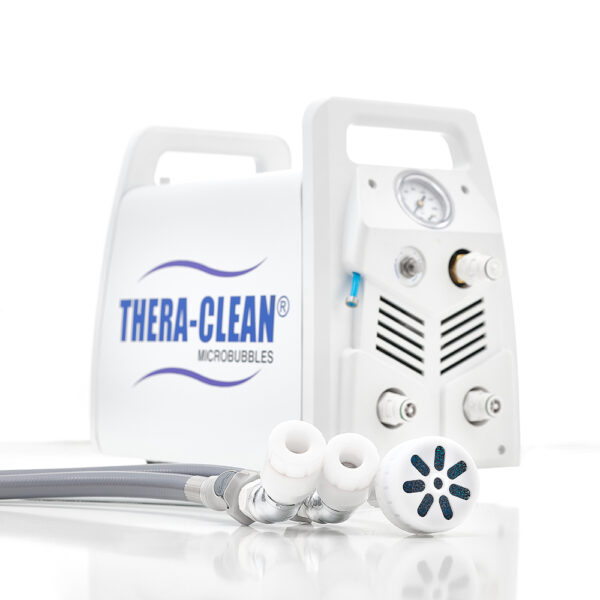
Microbubble dog baths work differently. Microbubbles are ultrafine bubbles — approximately 50 microns in diameter — small enough to penetrate the hair follicle and lift debris, allergens, and bacteria directly from the skin surface. A single microbubble bath provides a deeper clean than multiple traditional baths, which means many dogs can actually bathe less frequently while achieving better skin and coat results.
For dogs with chronic skin conditions, allergies, or sensitivities, microbubble therapy is particularly effective — the gentle, chemical-free cleaning action soothes irritated skin rather than aggravating it. Want to understand the science? Read what microbubble technology is and how it works.
Seasonal Bathing Adjustments
Spring: Pollen season means allergens cling to your dog’s coat every time they go outside. More frequent baths — every 2–3 weeks — help reduce allergen buildup on the skin and in your home.
Summer: Heat and increased outdoor activity means more dirt, sweat, and bacteria. Maintain your regular schedule and rinse off after swimming (pool chemicals and lake bacteria can irritate the skin).
Fall: Muddy paws, wet leaves, and damp conditions increase the chance of fungal skin issues. Dry your dog thoroughly after every bath and walk.
Winter: Cold air and indoor heating both dry out skin. Reduce bathing frequency slightly and consider a moisturizing or oatmeal-based shampoo to protect the skin barrier.
Tips for a Better Bath Every Time
- Brush first — remove loose fur and detangle the coat before getting it wet. Wet mats are much harder to remove.
- Use lukewarm water — test it on your wrist. Water that’s too hot or too cold stresses the dog and dries the skin.
- Use a dog-specific shampoo — human shampoos have a different pH and can disrupt the skin’s natural balance.
- Lather from neck to tail — avoid the face and ears initially; use a damp cloth for the head.
- Rinse thoroughly — shampoo residue left on the skin is a leading cause of post-bath itching.
- Dry completely — damp skin between the coat layers is a breeding ground for yeast and bacteria, especially in skin folds.
For a full step-by-step walkthrough, visit the ultimate guide to dog baths.
Frequently Asked Questions
How often should you bathe your dog?
Most dogs do well with a bath every 4–6 weeks. Dogs with short coats or low activity levels can go 6–8 weeks, while dogs with long coats, skin conditions, or active outdoor lifestyles may need bathing every 2–4 weeks.
Can I bathe my dog once a week?
Weekly bathing is generally too frequent for healthy dogs and can strip natural skin oils, leading to dryness and irritation. Dogs with certain skin conditions may be prescribed weekly medicated baths by their vet — in those cases, a gentle, therapeutic shampoo is essential.
How often should you bathe a puppy?
Puppies under 8 weeks should not be bathed. After that, once a month is sufficient for most puppies. Avoid over-bathing young dogs as their skin and coat are still developing.
How often should you bathe a dog with allergies?
Dogs with environmental allergies often benefit from more frequent baths — every 1–2 weeks — to rinse allergens off the skin and coat before they cause a reaction. Use a hypoallergenic or veterinarian-recommended shampoo.
Does bathing frequency change by breed?
Yes. Breed and coat type are major factors. Hairless breeds may need weekly baths; heavy shedders like Huskies do well every 4–6 weeks; low-odor short-haired breeds like Basenjis rarely need baths more than once every 6–8 weeks.
What happens if you don’t bathe your dog enough?
Infrequent bathing allows bacteria, yeast, dead skin cells, and allergens to accumulate on the coat and skin. This can cause odor, increased shedding, skin infections, hot spots, and irritation. Regular bathing is an essential part of preventive skin care.
Is there a bathing option that cleans more deeply?
Yes. Microbubble dog baths penetrate the hair follicle to clean at the skin level — something traditional shampoo baths can’t achieve. Many dogs bathed with Thera-Clean’s microbubble system require fewer baths overall because the clean lasts longer. Find answers to more common questions at our dog bath FAQ page.
Every dog is different. When in doubt about the right bathing schedule for your specific dog — especially if they have a skin condition, allergies, or a medical history — consult your veterinarian or a professional groomer.